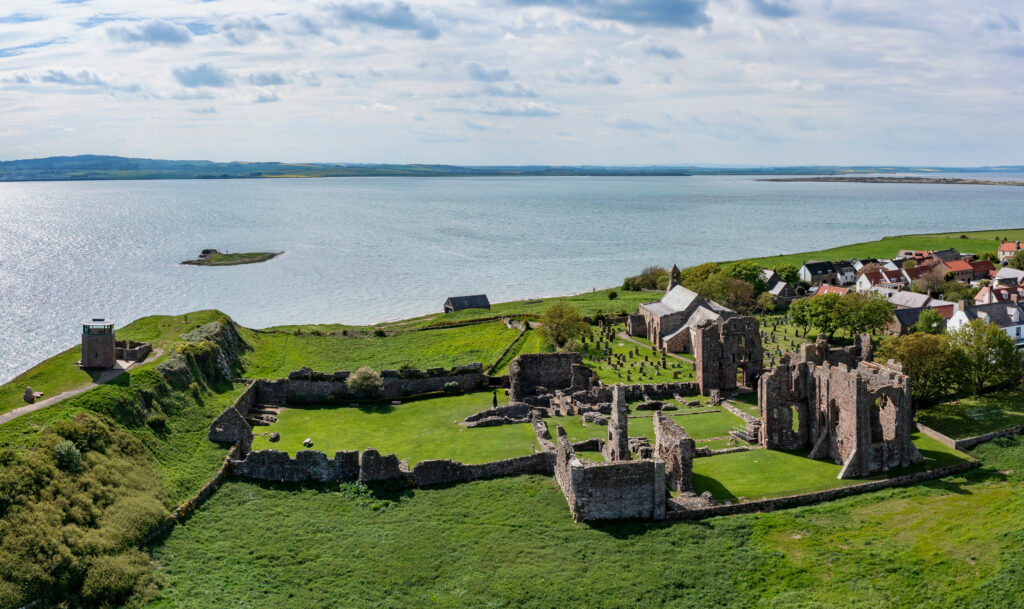
PilgrimPilgrim 1. In the New Testament and Christian thought, someone engaged in the Christian journey through life towards heaven. 2. Someone who journeys to holy places (such as biblical sites or shrines of the saints) to seek God's help, to give thanks, or as an act of penance Places
Discover Pilgrim Places or find out how your church could join in
Visiting a Pilgrim Place
Many people today love visiting churches, cathedrals and other special places such as Lindisfarne and Iona. These beautiful historic sites can give us a sense of belonging and perspective. But they offer more than this.
Visiting a Pilgrim Place doesn’t mean you have to be wearing hiking boots or a rucksack (though walking or cycling is a great way to travel if you can). Instead, it means that like millions of people before you, you can find peace, hope, comfort, and understanding to take back into your everyday pilgrim journey of life.
Being a pilgrim in a special place offers space to pause and explore our own experience and thoughts. It helps to take time out of the ‘ordinary’ to think about our journey through life. Helpful questions include, ‘Where have I come from?’, ‘Where am I now?’, ‘Where am I going?’, ‘What might I need to help me cope – and grow?’
At the heart of being a pilgrim is our journey through life, in which we can experience God’s guidance and care each day. This is strengthened by developing our inner relationship with him.
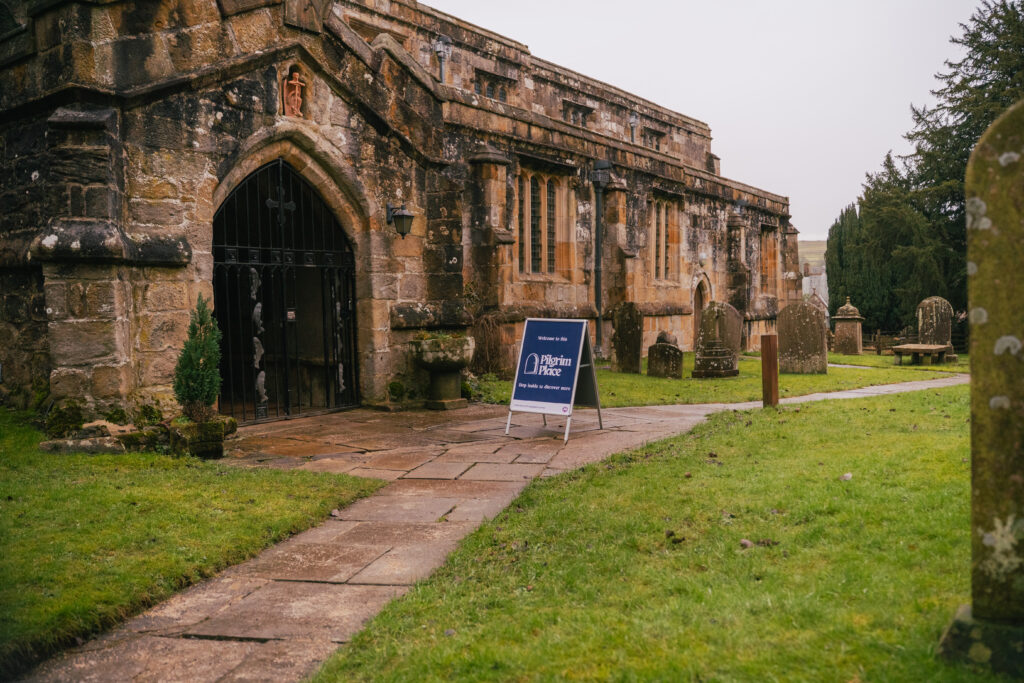
Find your nearest Pilgrim Place

Becoming a Pilgrim Place
Any church, in any context, can become a ‘Pilgrim Place’ – that is a welcoming, peaceful, safe space which offers time to relax and reflect. You may be on an existing pilgrimage route or walking trail; you may want to develop your own trails; or you may just want to find fresh ways to welcome visitors and local people.
Working with partners, FaithFaith 1. Belief and trust in someone or something. 2. Acceptance of particular religious teachings. in the North has developed a new set of easy-to-use resources. These encourage visitors to explore church buildings and other sites, to engage with the stories they tell, and so enhance their own journey through life.
- Signage – to help churches clearly identify themselves as welcoming spaces for reflection
- ‘Being a Pilgrim’ Prayer Cards – offering simple ways to pray about everyday life
- Illustrated, reflective trails – suitable for any church building and designed for visitors of all backgrounds
- Pilgrim Explorer Cards – a resource for children and young people to explore your church building and its stories
- Toolkit of Ideas to help you use your building to welcome visitors
Becoming a Pilgrim Place allows you access to the full pack of resources, including permission to use the signage, highlights your church on our map of Pilgrim Places encouraging visitors to come and connects you into a network of churches exploring the same challenges and opportunities.
Sign up to become a ‘Pilgrim Place’

Explore Faith
Interested in finding out more about faith and what
Christianity offers?
Pilgrim Place Signage
This Pilgrim Place signage is available as both A Board or as a Banner and identifies you to those who are walking past as a Pilgrim Place.
To access the signage and use it outside your church please Register as a Pilgrim Place.

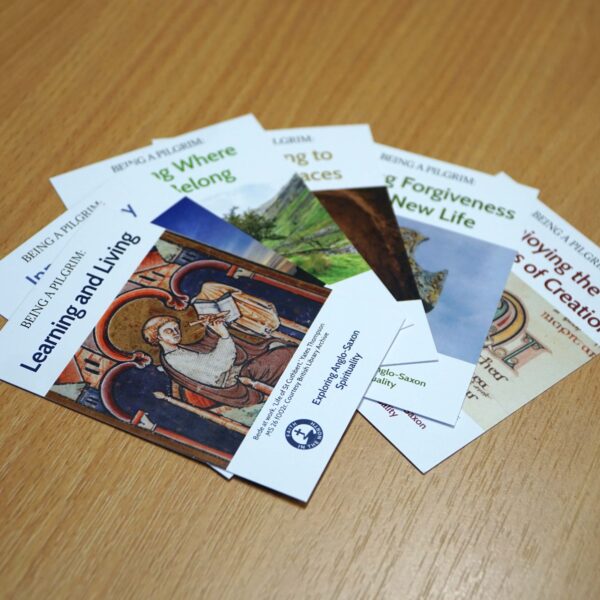
‘Being a Pilgrim’ Prayer Cards
These six prayer cards use key themes from Anglo-Saxon spiritualitySpirituality Term used to describe the experiential dimensions of religion, encompassing aspects such as prayer, meditation, contemplation, and mysticism.. They offer a fresh approach to engaging with God and encouraging people from all backgrounds to ‘just start praying.’ Each card contains an attractive image, a relevant Bible verse, a short explanation of the ChristianChristian Name originally given to disciples of Jesus by outsiders and gradually adopted by the Early Church to designate all members of the church. faith which changed this land, and a simple prayer. They also provide a link to the Faith in the North website to encourage further exploration.
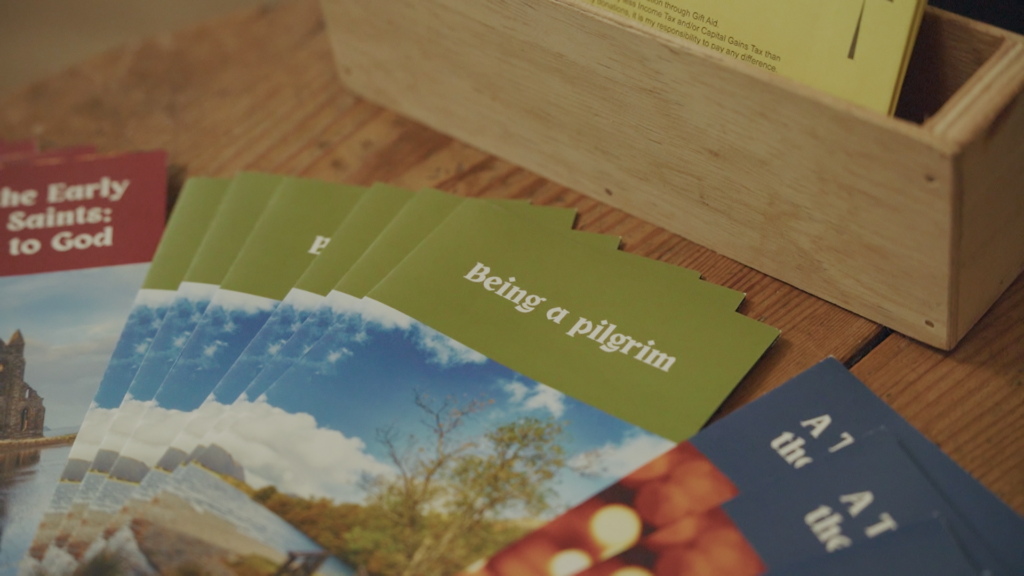
Pilgrim Trail Leaflets
These short, illustrated trails offer simple, accessible reflections and prayers. They can be used in any church building, by people of any background, and then taken home for further spiritual exploration.
“Pilgrimage lies at the heart of the Christian faith, reminding us that God journeys with us through every season of life. We are hopeful that these resources will help our churches welcome those exploring faith as they come into these wonderful buildings.”
Stephen Cottrell, ArchbishopArchbishop Bishop who also presides over a group of dioceses or provinces. of YorkYork 1. A Roman city and early centre of Christianity. 2. Diocese and province under the leadership of the Archbishop of York.
Other Related Pages

Explore Faith
Interested in finding out more about faith and what Christianity offers?
Explore Heritage
Love Heritage? Fascinated by the beauty, art, and architecture of historic churches? Intrigued by the meaning behind them?

Exploring Prayer
Learn more about the practice of prayer and how the Anglo-Saxons prayed.