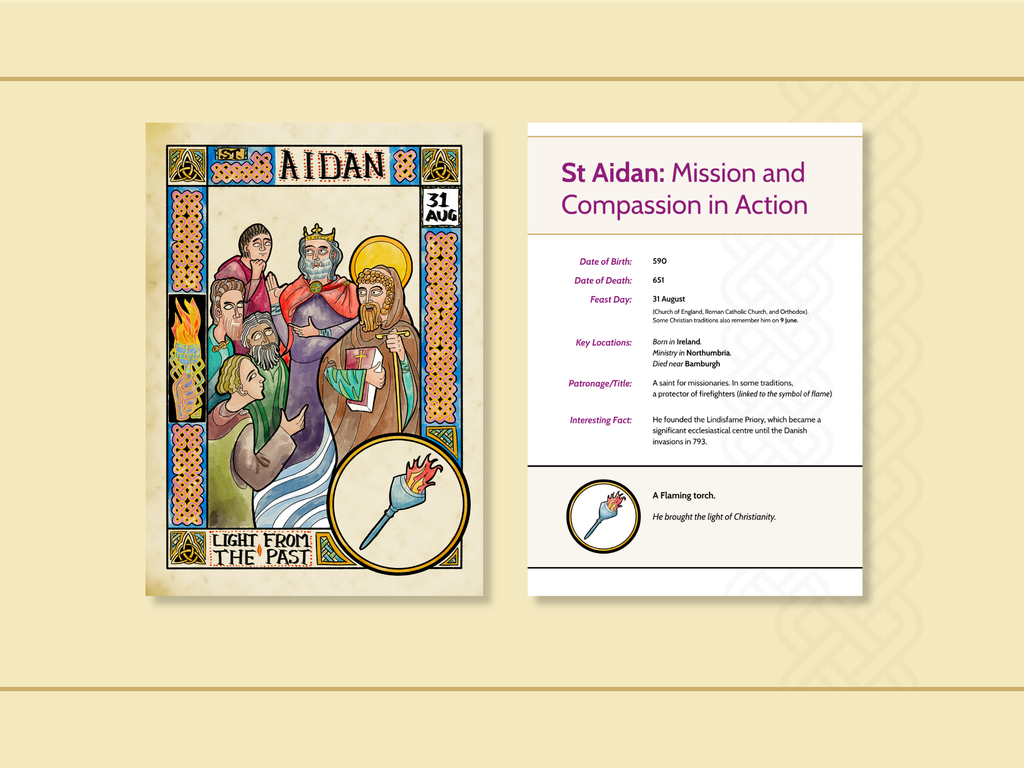
Created in partnership with Diocesan Education teams from across the region, this free resource is available to download for teachers to use in lessons within the RE curriculum.
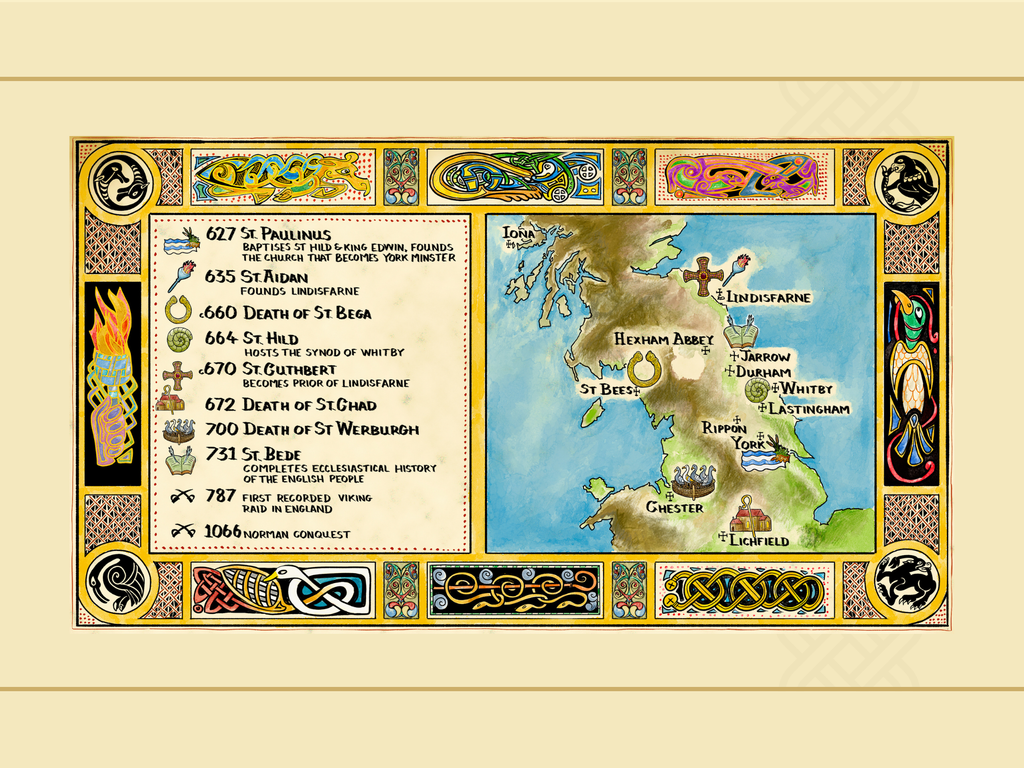
Case studies and classroom activities focus on the lives and faithFaith 1. Belief and trust in someone or something. 2. Acceptance of particular religious teachings. of eight saints of the North – St AidanAidan, St (d. 651) Monk of Iona, missionary to Northumbria and Bishop of Lindisfarne., St BedeBede, the Venerable (c.673-735) Anglo-Saxon historian and biblical scholar. Sent to study at the monastery of Wearmouth at seven; later transferred to Jarrow. Renowned in his lifetime for his learning, Bede wrote treatises on poetry, time and cosmography. Historical works include History of the Abbots, prose and verse versions of the Life of St Cuthbert and Ecclesiastical History of the English People., St Bega, St ChadChad, St A disciple of St Aidan and brother of St Cedd of Lastingham, St Chad was caught up in the political struggles which accompanied the Synod of Whitby in 664. Eventually he was appointed by St Theodore, the Archbishop of Canterbury, to be the first bishop of Mercia and Lindsey (effectively the Midlands and Lincolnshire). In 672 he died and was buried at Lichfield. A healing cult associated with his tomb is described by Bede., St CuthbertCuthbert, St (d. 687) Celtic monk and hermit. Bishop of Lindisfarne 685., St HildHild, St (c.614-680). Sometimes Hilda. Abbess of the double monastery at Whitby., St PaulinusPaulinus, St Bishop of York 627-644. Sent to England with Saint Augustine. Accompanied Queen Ethelburga north on her marriage to King Edwin of Northumbria. Converted King Edwin and the Northumbrians in 627 and founded the first York Minster. and St Werburgh, and pupils are encouraged to explore the significant impact they have had on both the region, including pilgrimage and pilgrimage sites, and on ChristianChristian Name originally given to disciples of Jesus by outsiders and gradually adopted by the Early Church to designate all members of the church. faith more widely.
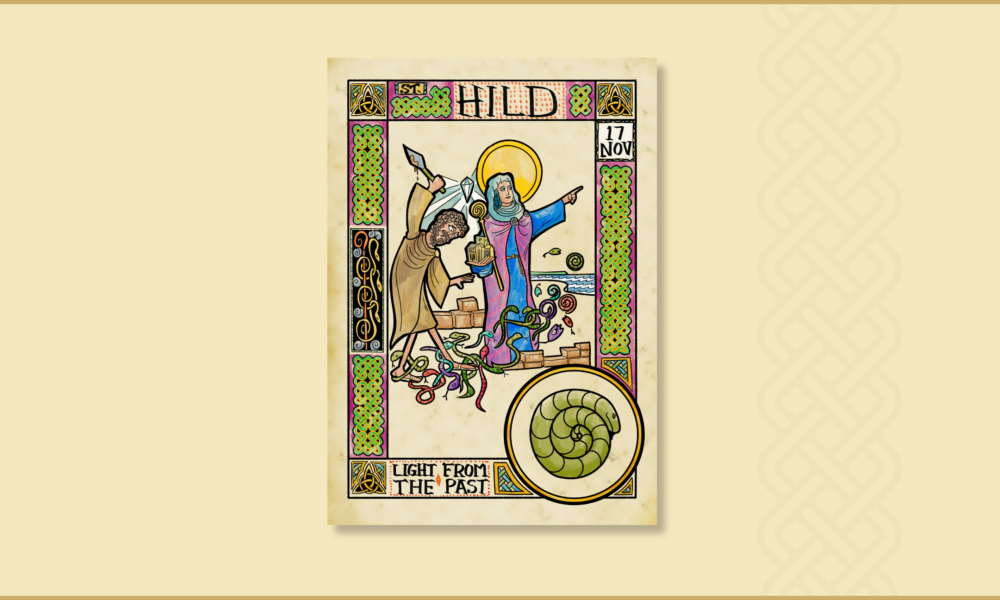
Christian artist, Andy Gray, was commissioned to create artwork for each saintSaint In the New Testament applied to all Christians. Later used of those who were martyred or showed exceptional holiness and whose status was confirmed by the church. The practice of venerating the saints and their relics and asking for their intercessions (prayers) can be observed from the second and third centuries onward and played a central role in popular medieval religion., and there are full colour A4 posters, symbols, black and white graphics, as well as information about how to engage with the artwork and information about the artist himself. The pack includes a range of images and background information to enable schools to use the resource flexibly.
What’s included?
- An introductory document to support teachers in explaining the diverse ways in which the terms saint and pilgrimage are understood within Christian traditions, and beyond, with a particular focus on the North.
- 8 case studies and classroom activities. Each one includes a brief fact file of the saint, an overview of the saint’s life and their impact on the Christian faith in the North, exemplar follow up activities for the RE classroom.
- Image and photo packs
- PowerPoint templates
- GlossaryGlossary List of words or terms with their explanation or definition relevant to the documentary context
- Sources – an overview of literature and websites used to create this resource.